

Climate resilient plants offer an evidence-based approach to landscaping and gardening when facing unpredictable weather, such as heatwaves, drought, and even cold snaps. If you want a thriving yard or garden that can withstand these new extremes, adapting your plant selection is critical. Here’s a practical, honest look at making it work for your landscape.
Key Takeaways
- Recent studies prove climate resilient plants deliver up to 57% higher survival and 5-30% greater yields compared to traditional varieties in harsh weather.
- Picking the right mix of species can boost soil health, cut water use, and reduce maintenance, but beginners may face sourcing and adaptation challenges.
- Not all resilient plants are created equal; economic and ecological impacts depend on smart species choices matched to your local climate and ecosystem.
- The Core Concept: Why Climate Resilient Plants Matter
- Step-by-Step Guide: Building a Tough, Resilient Garden or Yard
- Advanced Analysis & Common Pitfalls
- Conclusion
- Frequently Asked Questions
The Core Concept: Why Climate Resilient Plants Matter
Climate resilient plants are specifically adapted, through breeding or selection, to thrive where traditional plants fail—during droughts, heatwaves, heavy rains, or cold snaps. Scientific studies from 2022-2024 have shown that these varieties can deliver dramatic improvements: for example, drought-resistant soybeans with the GmNAC12 gene survive at a rate 57% higher than conventional types.Source
Adopting these plants isn’t just science fiction—it’s now the backbone of smart landscaping, food security, and resilient urban design. This approach not only protects your investment in a beautiful yard, but also helps local ecosystems by stabilizing soil and supporting cycles even under stress.
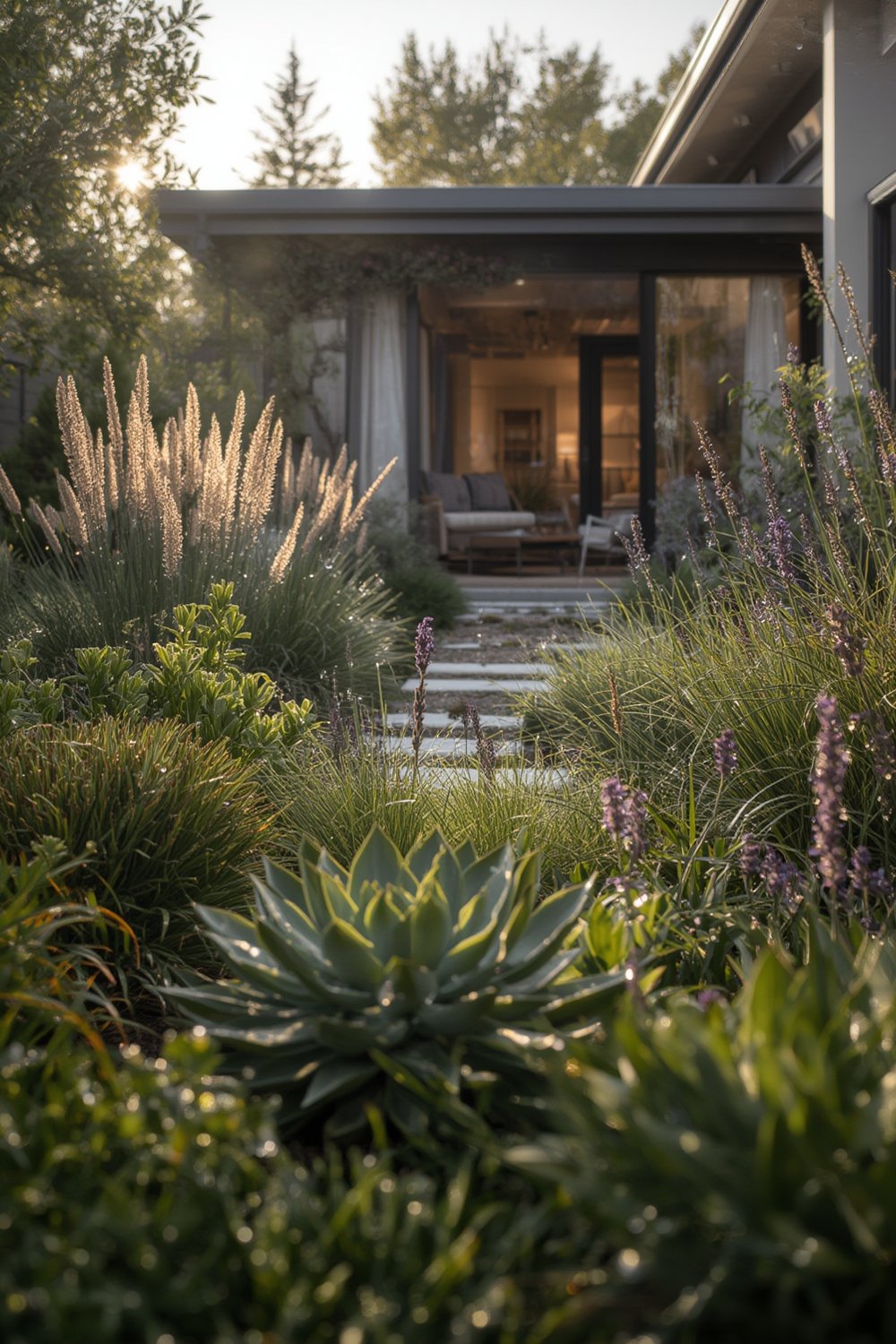
Step-by-Step Guide: Building a Tough, Resilient Garden or Yard
-
Assess Your Microclimate and Risks
Start by recording recent weather swings—droughts, floods, extreme heat—and note soil type and drainage. This helps you pick plants that truly match your local conditions. If you’re in an area with restricted water, prioritize species proven to succeed with less. -
Choose Climate Resilient Species for Multiple Threats
For dual resilience (drought and heat), select from sorghum, maize, pearl millet, rye, quinoa, camelina, or amaranth.Source
Xerophytes, with their advanced drought and salinity tolerance, offer smart bets for dry climates.Source
If you want nitrogen input and soil health, include legumes as cover crops; research suggests this can yield up to 9.8% more in subsequent crops. -
Source Plants Wisely—Think Beyond Local Nurseries
Many resilient species are now available through specialized seed banks and reputable online suppliers. Contact your local extension service for region-tested recommendations. Peer-to-peer plant swaps and native plant societies can also be a goldmine for unique proven varieties. -
Prepare the Yard for Successful Establishment
Remove weak or nonadapted turf. Loosen, amend, or mulch soil as required by your plant selections. Consider no-dig or sheet mulching methods to speed up establishment while reducing erosion. (See tips here.) -
Plant in Zones—Group by Water and Stress Needs
Place most drought or heat-tolerant species in the driest, sunniest spots. Use less resilient, moisture-loving plants in shaded or naturally damp zones. Designing in this way makes irrigation and maintenance much easier over time. -
Mulch, Keep Moist (at First), and Monitor Closely
Apply mulch to conserve moisture and buffer soil temperature. New resilient plants benefit from extra watering in their first season, but ease off as they establish roots. Monitor growth, leaf color, and pest pressures—adjust as required. -
Rethink Your Approach to Lawn Maintenance
Swap high-water turf for alternatives like no-mow fescues or clover lawns, or consider rewilding lawn alternatives that align with water-wise goals. -
Integrate Smart Water Solutions as Needed
Lean on smart irrigation systems to save up to 40% on water use, especially for new plantings or during heatwaves. -
Track Results and Adjust
Record which varieties thrive or struggle. Over time, refine your plant selections to tilt your landscape ever further toward resilience, lower maintenance, and lasting beauty.
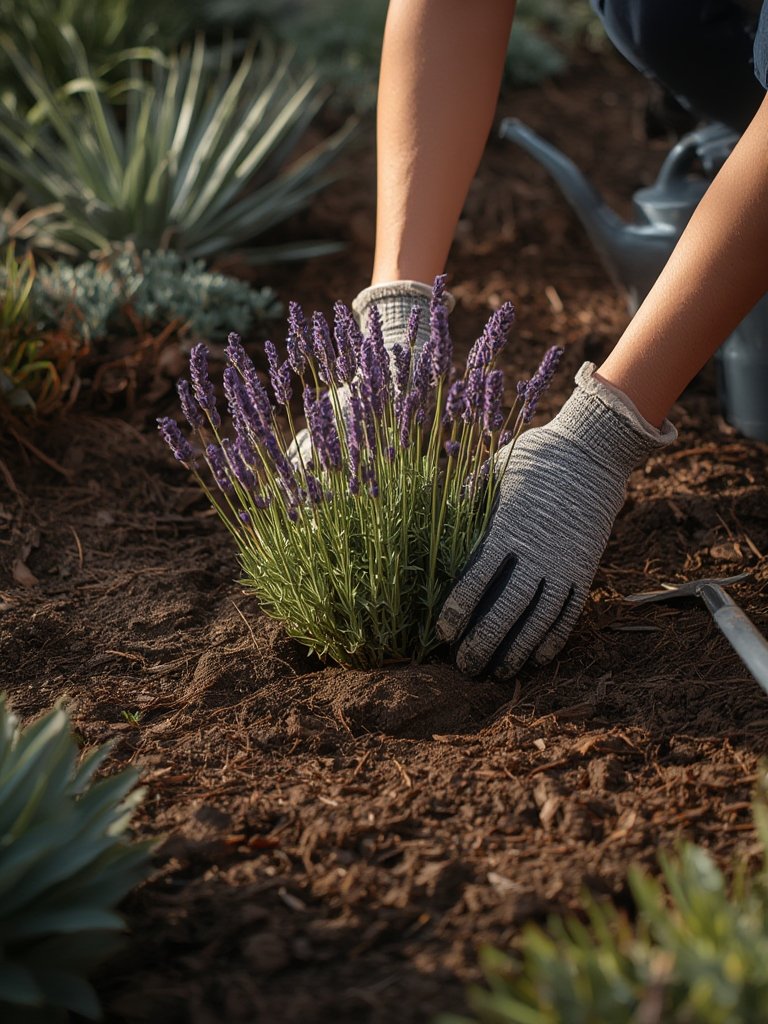
For a more robust approach, combine climate resilient species with design techniques like bioretention rain gardens or swales to manage stormwater and reduce runoff impacts.
Do not overlook drought tolerant landscaping practices to further lower your maintenance load and increase plant longevity.
Advanced Analysis & Common Pitfalls
Coverage in blogs and homeowners’ accounts rarely gets realistic—so here are the real problems you may face with climate resilient plants, sourced from research and practical experience:
| Factor | Standard Plants | Climate Resilient Plants |
|---|---|---|
| Survival during drought | Low (often < 50%) | Up to 57% higher (e.g., gene-edited soybean) |
| Yield in heat/dry years | Significant drop (10-60%) | 5-30% higher yield reported (sorghum, maize, etc.) |
| Upfront plant costs | Cheap, widely available | Often higher (specialty seeds, limited stock) |
| Time to establish | 1 growing season or less | May take longer (especially perennials) |
| Maintenance needs | Moderate (routine watering, fertilizing) | Lower—once established, less supplemental water |
| Impact on local ecology | Can displace natives, support fewer pollinators | Mixed: some boost soil, but untested species may not support local insects or birds |
| Appearance | Conventional, familiar look | May differ—some resilient plants are more wild/reedy or have tough foliage |
- Sourcing Difficulties: Not all resilient or native-adapted species are available in every local nursery. You may need to shop online or explore regional swaps.
- Adaptation Lag: Perennials and some wild species can take multiple seasons to fully establish. Expect less visual impact the first year.
- Biodiversity Risks: Planting non-local ‘super-resilient’ species can inadvertently reduce pollinator or wildlife support. Careful mix with true local natives is best. (For ideas, check native plants for pollinators resources.)
- Initial and Ongoing Costs: Upfront investment in specialized seeds or plugs is often higher. However, long-term savings on water and maintenance can balance out costs; some utilities now offer lawn replacement rebates.
- Uncertain Results: Even the best genetics or proven drought tolerance isn’t a guarantee if plants are mismatched to your microclimate (sun, soil, rain).
- Maintenance Confusion: Some gardeners overwater initially or expect a high-maintenance look—resilient landscapes often look rougher and less manicured, especially as they naturalize.

Conclusion
Switching to climate resilient plants is one of the smartest moves for gardeners, landscapers, and anyone seeking an attractive yet robust yard. You don’t have to compromise on beauty or productivity—evidence shows these plants outperform traditional options, especially during weather extremes. The key is to use evidence-based strategies, choose species proven to work in your region, and adjust your gardening mindset. Ready to start? Research, test, and build climate resilience into your yard with confidence.
Are you ready to transform your property with climate resilient plants? Review your options, plan your next steps, and start building a landscape that stands the test of today’s climate.
Frequently Asked Questions
What are climate resilient plants and how do I know if a species qualifies?
Climate resilient plants thrive during weather extremes such as drought, heat, or cold compared to standard varieties. Look for varieties tested by research institutions or extension services for reliable survival and yield under stress—recent studies on GmNAC12 soybean and heat-tolerant maize are great examples.
Will climate resilient plants look different than my usual landscape choices?
Some will. Many resilient species are rougher in shape, taller or less manicured than standard turf or bedding flowers. However, careful design and mixing with ornamental natives help sustain an appealing look.
How long does it take for climate resilient plants to establish?
Annuals can thrive in the first season, while perennials and wild-types may take 1-3 seasons to fully mature. Proper soil prep, mulching, and early irrigation can speed this process.
Can climate resilient plants harm local pollinators or wildlife?
Most studies show positive effects, like improved soil or structure, but it pays to avoid exotic species that could disrupt local ecological cycles. Use regionally native options where practical, and always check with your local nursery or extension service.
Is switching to climate resilient plants expensive?
Initial costs for plants or seeds are typically higher, but water and maintenance bills are reduced long-term. Incentives such as turf removal rebates can help offset expenses.