

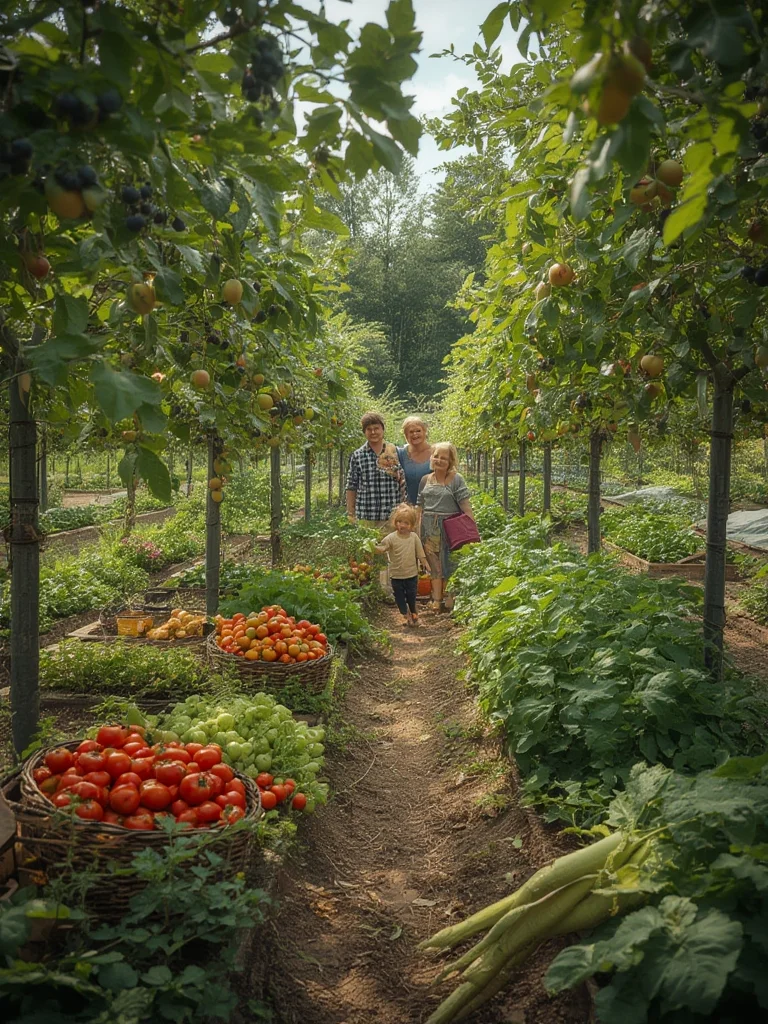
Edible landscaping blends beautiful outdoor design with productive gardening, transforming ordinary yards into spaces that are both attractive and harvestable. As interest in growing food at home rises, more homeowners and professionals are exploring how to make landscapes both edible and ornamental—yet blending the two is not always as simple as tossing in a few veggie plants.
Key Takeaways
- Edible landscaping is seeing strong growth, but still faces practical and design challenges that many new adopters overlook.
- Careful plant selection, structured layouts, and low-maintenance edibles are crucial for a landscape that looks good year-round and yields reliable harvests.
- Upfront and ongoing costs for edible landscapes are often higher than ornamental-only designs, but productively managed spaces can add food and property value.
- What Is Edible Landscaping and Why Bother?
- How to Start: Step-by-Step Guide to Edible Landscaping
- Advanced Analysis & Common Pitfalls of Edible Landscaping
- Summary & Next Steps
- Frequently Asked Questions
What Is Edible Landscaping and Why Bother?
Edible landscaping is the intentional design and planting of outdoor spaces with plants that are both visually pleasing and harvestable for food. It’s not just mixing tomatoes into flower beds. It’s about creating worked-out plans where fruit shrubs, herbs, attractive vegetables, and edible groundcovers serve the same ornamental roles as classic landscaping plants—hedges, focal points, borders, and more—with the bonus of food.
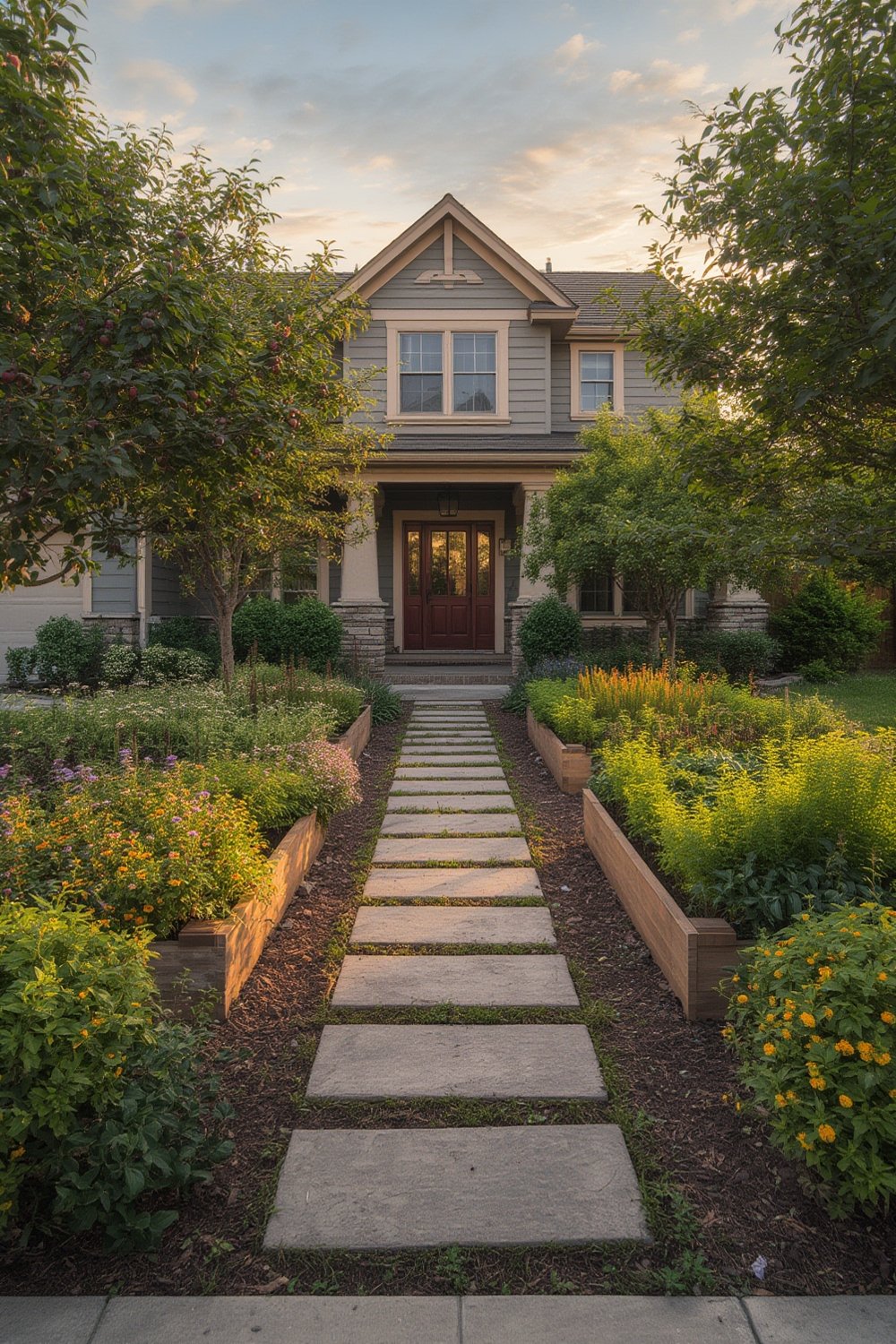
Why go edible? The trend is driven by home gardening interest, food cost concerns, and desire for healthy, sustainable living. The global gardening market exceeded USD 120 billion in 2024, with residential food growing surging in popularity. In the US, 55% of households now garden and 35% are growing edibles as priorities shift from pure ornament to curb appeal with real utility (source).
Done well, you get a lush landscape that looks attractive in every season—spring blossom, lush summer fruit, colored fall foliage—while also giving you berries, herbs, and produce for your kitchen. It can encourage pollinators, cut grocery costs, and even raise property value when planned with professional care (source).
How to Start: Step-by-Step Guide to Edible Landscaping
- Assess Your Existing Landscape & Goals
- Note sun, soil, existing plantings, and view lines. Where are the sunny, accessible spots?
- Define your main goal: curb appeal, privacy, harvest volume, low maintenance, or a mix?
- Identify Easy “Edimentals” to Start
- Look for ornamental edible plants (see section below) that fit your zone and soil without major effort.
- Blueberries, chives, currants, or serviceberry deliver both looks and food with little fuss.
- Plan the Structure (Don’t Just Fill Gaps)
- Decide where to use edible shrubs as hedges, groundcovers as lawn alternatives, and small trees as focal points.
- Maintain anchors of form and repetition so the layout feels designed—not random.
- Add Layers for Yield and Visual Interest
- Mix fruiting trees, berry shrubs, perennial vegetables, and low edibles for drama in every season.
- Use herbs and self-seeding annuals to fill visual and harvest “gaps.”
- Address Irrigation and Access Early On
- Productive crops usually need more water than ornamentals. Plan for soaker hoses or smart irrigation systems to save labor and keep plants healthy year-round.
- Start Small and Expand Gradually
- Test bed corners, borders, or one fruit tree at a time. Monitor what thrives, looks good, and gets used.
- Observe seasonal gaps and adjust next year—edible landscapes evolve! If you want to save time, consider finding a landscaping pro near you for initial layout help.
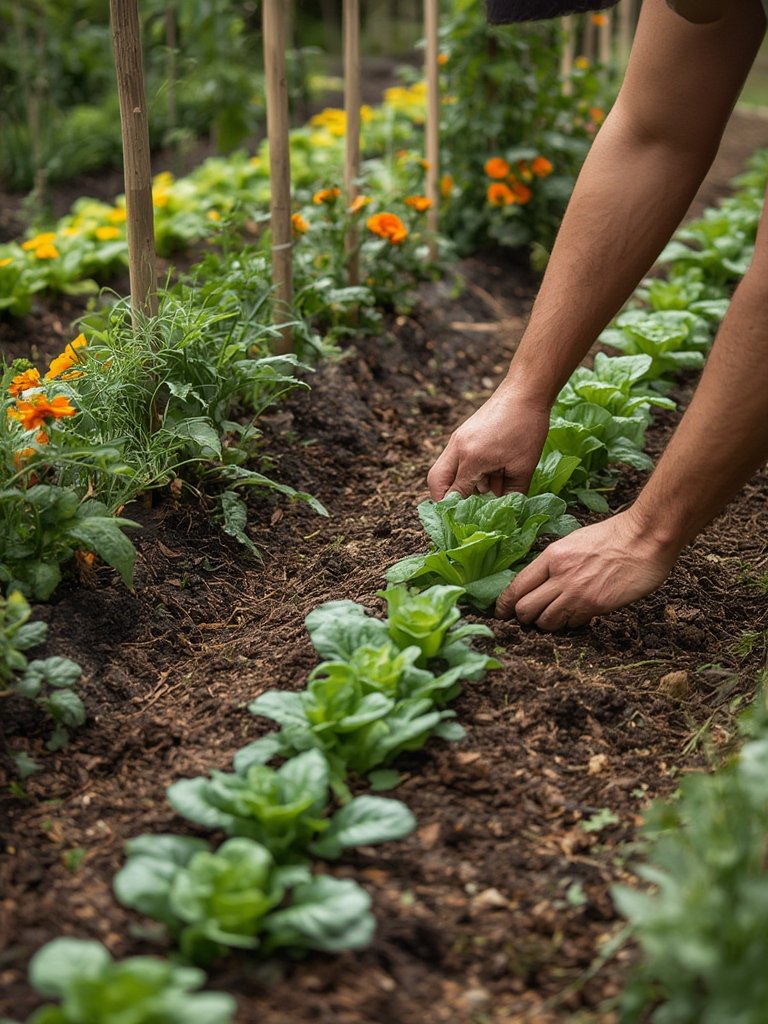
For even more creative approaches, explore vertical gardening systems to grow food in tight spaces or add a living accent wall—that’s ideal for herbs, strawberries, or even compact tomatoes. If curb-appeal is key, select showy perennial edibles with reliable structure such as rhubarb, dwarf cherry, or boxwood-shaped blueberries.
Advanced Analysis & Common Pitfalls of Edible Landscaping
While edible landscaping offers many benefits, it’s not without difficulties. Here’s what most “inspirational” articles skip—and how to avoid wasting time or money.
| Issue | Why It Happens | How to Avoid or Fix |
|---|---|---|
| Messy Appearance Outside Peak Season | Annual edibles and some perennials look bare or die-back after harvest, leaving unattractive patches. | Anchor design with evergreen or visually durable edible shrubs and perennials. Use mulch and interplanting with ornamental grasses or groundcovers to fill gaps. |
| Ongoing High Maintenance | Edibles require timely harvesting, pruning, and pest management, more so than average ornamentals. | Favor low-maintenance perennials. Use smart irrigation systems (see our guide) and automated mulch setups. Schedule rotation for annual beds. |
| Poor Yields in Mixed Beds | Edibles placed for looks, not productivity, may get too little sun or space to crop well. | Prioritize sun for the highest-yield crops. Use yields charts and mature size info. Thin aggressively as shrubs expand. |
| Pest and Wildlife Surges | Food plants attract more insects, rodents, and birds than ornamentals. | Build in fencing, select resistant cultivars, and mix strong-smelling herbs as underplantings. |
| Conflicts with HOA or Neighbors | Front-yard or visible edible beds sometimes violate “manicured” codes or neighborhood expectations. | Use formal layouts, hedged edibles, and keep beds tidy. Document your plan; consider sharing intent with neighbors or using drought-tolerant landscaping principles for lower-maintenance zones. |
| Soil and Fertility Mix-Ups | Edibles and ornamentals in the same bed may want different soil pH, nutrients, or watering. Overfertilized ornamentals may flop; undernourished edibles fail to crop. | Test soil and feed for the “needier” group, adjusting plant choices so their preferences match. Use raised beds or containers for outliers. |
Food Forests: What Most Beginners Get Wrong
- Establishment Takes Years, Not Months. Expect 3–7 years of rising yields and heavy weeding or pruning; food forests are not “instant” systems (as often claimed).
- Packed Plantings Stunt Growth. Spacing in polyculture diagrams looks lush, but reality is mature trees need space or everything underperforms. Most resources skip long-term canopy management.
- Diversity Does Not Guarantee Dinner. Many food forest projects end up with lots of odd fruit but little staple harvest—plan core crops based on family needs, not maximum species count.
For more on durability and ecological value, see our post on native plants for pollinators.
Low-Maintenance, Productive “Edimentals” to Try
- Blueberry (Vaccinium spp.): multi-season interest and fruit
- Serviceberry (Amelanchier spp.): beautiful spring bloom and edible berries
- Chives: edible, ornamental, and great for edging
- Rhubarb: bold foliage, minimal care, early crop
- Aronia, Goumi, Hardy Kiwifruit: expert favorites, rarely used but robust (learn more)
Summary & Next Steps
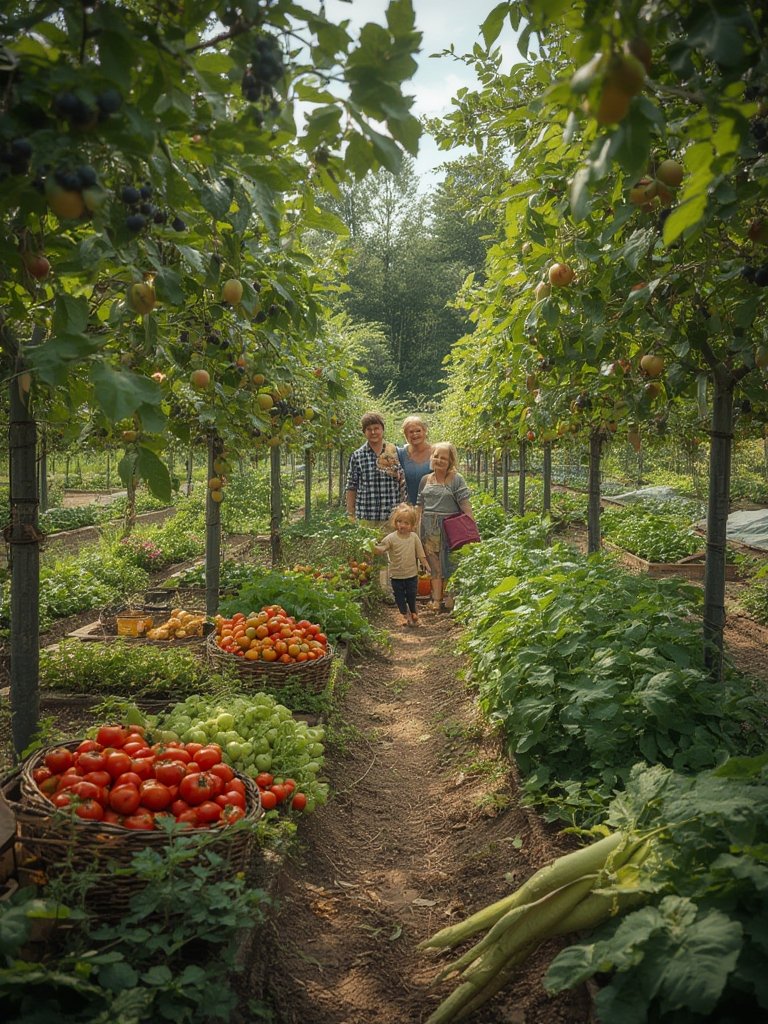
Edible landscaping is a powerful way to make your yard productive, beautiful, and sustainable—but only if you plan for both appearance and yield from the start. Consider costs, long-term maintenance, and your own time or interest before tackling a major overhaul. For most, the sweet spot is a blended design anchored by low-maintenance perennials and standout “edimentals.” Done right, these spaces delight neighbors and deliver harvests long after the trend headlines fade.
Ready to try edible landscaping in your own yard? Start with a single border, a trio of perennial shrubs, or an edible hedge. For a more ambitious plan, connect with a local expert or check out our companion guides on rewilding lawn alternatives and rain garden design. Your garden can be beautiful, functional, and delicious—if you plant with intention.
Frequently Asked Questions
Can edible landscaping really raise my property value?
When planned and maintained professionally, yes—mature fruit trees, productive hedges, and lush edible borders add curb appeal and are valued by many buyers. Just be sure the design complements the property and is not seen as “messy” or high-maintenance.
What’s the best low-maintenance edible plant for beginners?
Blueberry shrubs and chives top the list. Both are attractive, require little care once established, and provide reliable harvests. Serviceberry and rhubarb are also dependable choices in appropriate climates.
Are edible landscapes harder to care for than traditional ornamentals?
Generally, yes. Edible landscapes require seasonal harvesting, pruning, and pest monitoring. Upfront planning, and choosing tough perennials, can reduce labor compared to vegetable-heavy designs. Expect more work than a low-maintenance ornamental bed, but less than a full kitchen garden.
Can I mix vegetables with my front-yard flower beds?
Absolutely—with planning. Use formal layouts, repeat patterns, and anchor beds with perennial edibles. Avoid crowding annual veggies into shady spots, and combine with ornamentals that hold structure even when vegetables are out of season.
Where can I find help designing or installing an edible landscape?
If you’re unsure where to start, many landscape designers now specialize in edible landscaping. Read our guide on finding the best landscaping services or consult local extension services for region-specific advice.