

Rewilding lawn alternatives are rapidly transforming how American homeowners view their outdoor spaces, offering a fresh escape from the traditional grass lawn—and bringing more beauty, less work, and a surprising boost for wildlife.
Key Takeaways
- About 12% of U.S. adults are converting lawn areas to natural or wildflower alternatives, with strong growth in interest and action since 2019.
- The main challenges include trial-and-error with native plants and adapting to a new garden style; long-term maintenance is far less than grass lawns.
- Switching brings major environmental benefits: significant water savings, little to no chemicals, and a noticeable uptick in biodiversity.
- What Are Rewilding Lawn Alternatives and Why Switch?
- How to Convert Your Lawn: A Step-by-Step Guide
- Advanced Analysis & Common Pitfalls
- Conclusion
- Frequently Asked Questions
What Are Rewilding Lawn Alternatives and Why Switch?
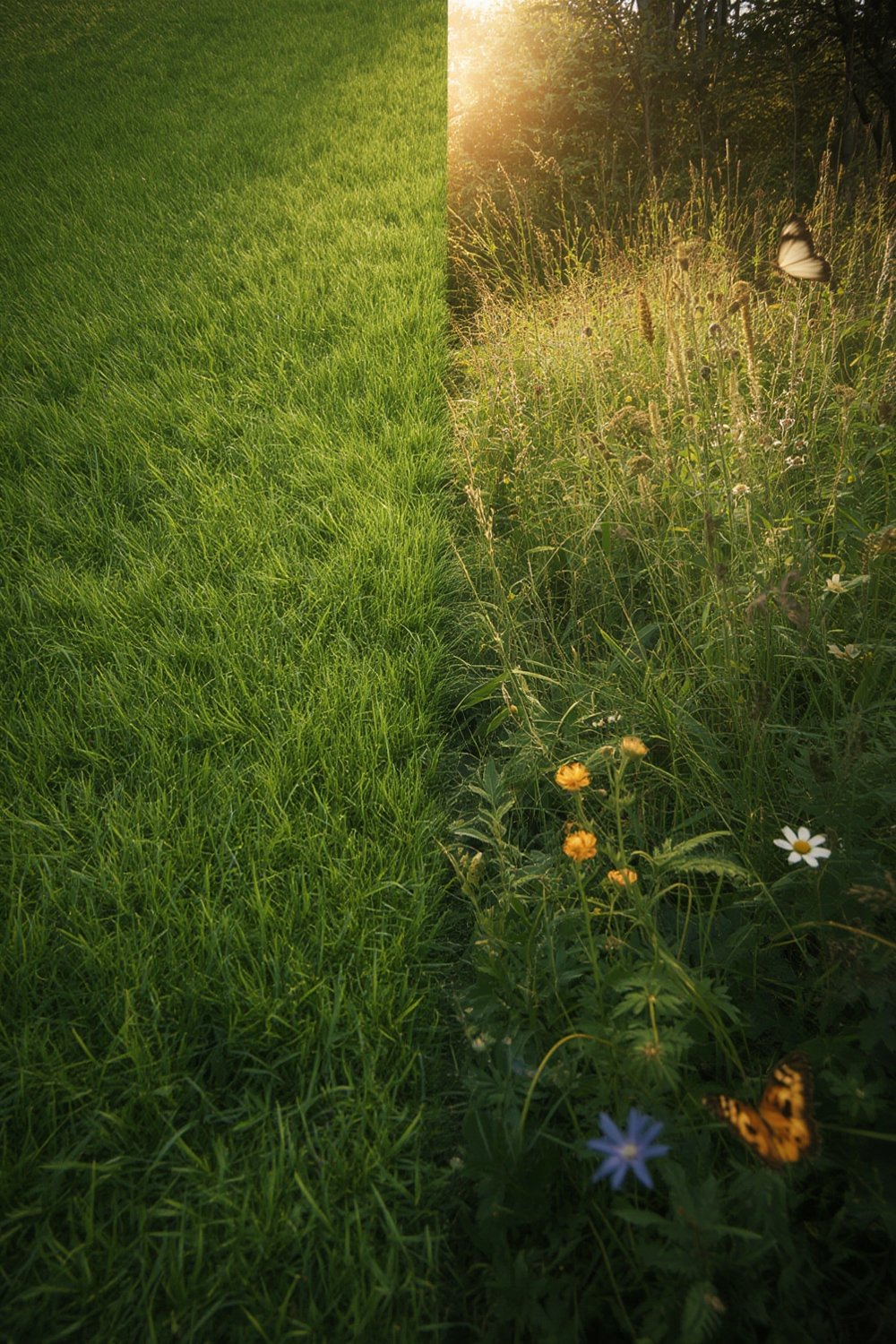
Rewilding lawn alternatives refer to swapping all or part of your mowed, monoculture grass for native plants, wildflowers, clover, or even small meadows. The main goal is to mimic natural habitats, improve your yard’s ecosystem, reduce input costs, and cut maintenance. This trend is gaining speed: by 2024, nearly one in eight U.S. adults are making the move (National Wildlife Federation survey).
Why switch? First, turfgrass lawns demand substantial water—about 9 billion gallons every day in the U.S. alone (NWF report). Second, they anchor a cycle of fertilizers, pesticides, and weekly mowing. Native conversions turn that on its head, attracting birds and pollinators, soaking up rain, and shrinking your utility and chemical use.
Landscape pros now describe rewilding as a “movement” that shows no sign of slowing (ABC News). Wildlife gardening inquiries jumped 28% in the past year (National Gardening Association stats), with 17% of U.S. adults actively seeking native plants.
Want a deeper dive into landscaping trends? Explore finding the number 1 landscaping services near you for stunning outdoor spaces for expert insights.
How to Convert Your Lawn: A Step-by-Step Guide
Ready to ditch the grass? Here’s a highly actionable guide to making the switch to rewilding lawn alternatives—no matter your region or property size.
- Assess Your Site: Note sun/shade, soil moisture, and natural drainage. Pay attention to microclimates—wetter areas suit different natives than sloped dry spots.
- Research Regional Native Plants: Choose species already adapted to your local weather. While there is no exhaustive list by region in current data, Native plants for pollinators offers a useful starting point for a thriving, low-maintenance ecosystem.
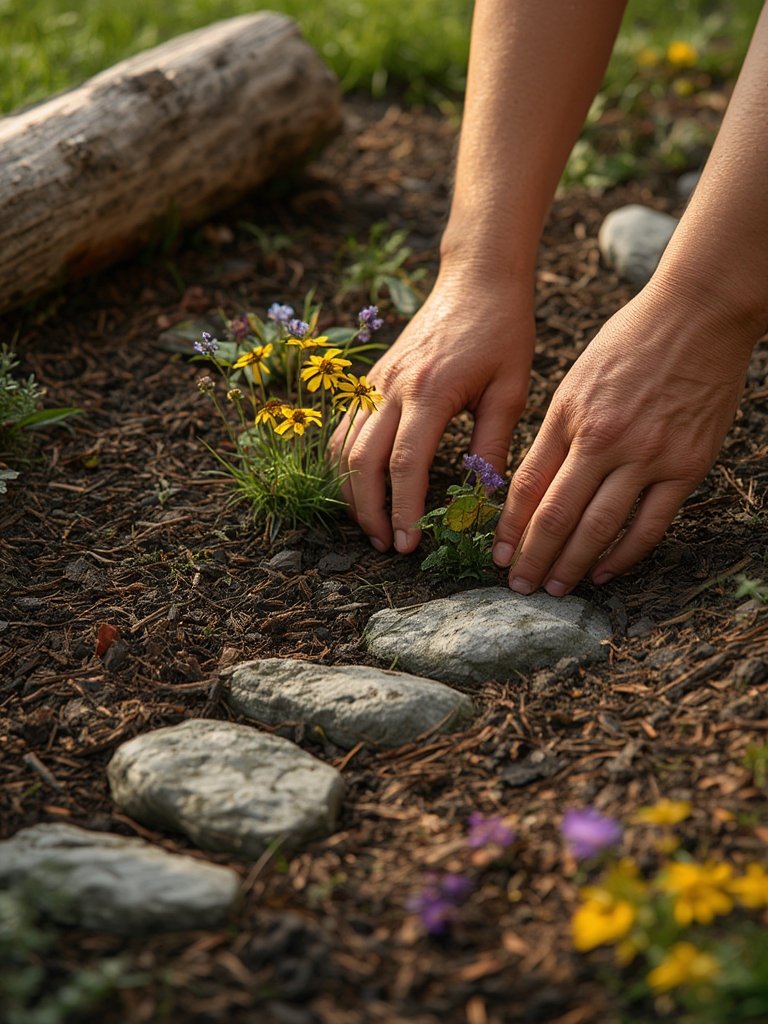
- Kill and Prepare Lawn Area: For minimal effort, lay down cardboard and mulch to block light. Wait a few months, then plant right into the new bed. It saves on labor and keeps soil structure intact.
- Plant Selection and Sourcing: Mix grasses (such as little bluestem or fescues) with wildflowers and clover to maximize biodiversity. Look for local growers for plugs or seeds.
- Water and Mulch for Establishment: Spread organic mulch to hold moisture and limit weeds, especially in the early months.
- Weed and Monitor: The first year is the most hands-on. Remove aggressive weeds before plants are established. Expect some trial and error based on microclimate quirks (ABC News).
- Long-Term Care: Once established, expect to weed occasionally and mow or cut back once each year, usually in fall or early spring—much less than a grass lawn.
- Embrace the Changes: As wildlife returns, expect visits from birds, pollinators, and—sometimes—larger critters like deer or foxes.
Want to go further? Consider blending in drought tolerant landscaping and rain garden design for an even more resilient, eco-friendly yard.
If converting all your turf feels daunting, a partial no-mow approach with patches of clover can still reduce workload dramatically. Explore yard improvement supplies at your trusted home improvement store nearby for seeds and mulches.
Advanced Analysis & Common Pitfalls
Switching to rewilding lawn alternatives can deliver remarkable benefits, but it’s not without real-world challenges. Here’s what the data and homeowner experiences reveal.
Common Pitfalls
- Learning Curve: Many underestimate the trial-and-error phase. Microclimates on your property will affect what thrives. Expect adjustments in planting over the first few years (ABC News).
- No Clear Regional Plant Lists: Lack of granular data makes plant selection tricky. Rely on local extension services or nursery advice in the absence of nationally segmented lists.
- Upfront Costs: Initial costs can be higher—especially if you use plugs or purchase larger quantities of mulch for establishment, though long-term savings are significant (NWF report).
- Unexpected Wildlife: Biodiversity surges—birds, butterflies, and sometimes unwelcome guests like deer can surprise homeowners. This is usually a plus for ecology but can require fencing or extra planning.
- Maintenance Surprises: The first year demands hands-on weeding and watering; after establishment, work falls sharply.
- Unclear Regulations: While there are few data-backed reports of HOA or city pushback, always check local codes—especially for front yard projects.
Benefit Comparison Table
| Lawn Type | Upfront Cost | Yearly Maintenance | Water Use | Biodiversity |
|---|---|---|---|---|
| Traditional Turfgrass | Low–Medium | High: weekly mowing, chemicals, irrigation | Very High (up to 60% of household water in West) | Low |
| Wildflower/Clover/Rewilding | Medium–High (initial) | Low after establishment (1 mow/year, minimal weeding) | Very Low after first year | Very High: pollinators, birds, beneficial insects |
Source: NWF / ABC News. Actual costs will vary by location and approach.
Explore more about plant selection in our native plants for pollinators guide to boost biodiversity and simplify maintenance.
Conclusion
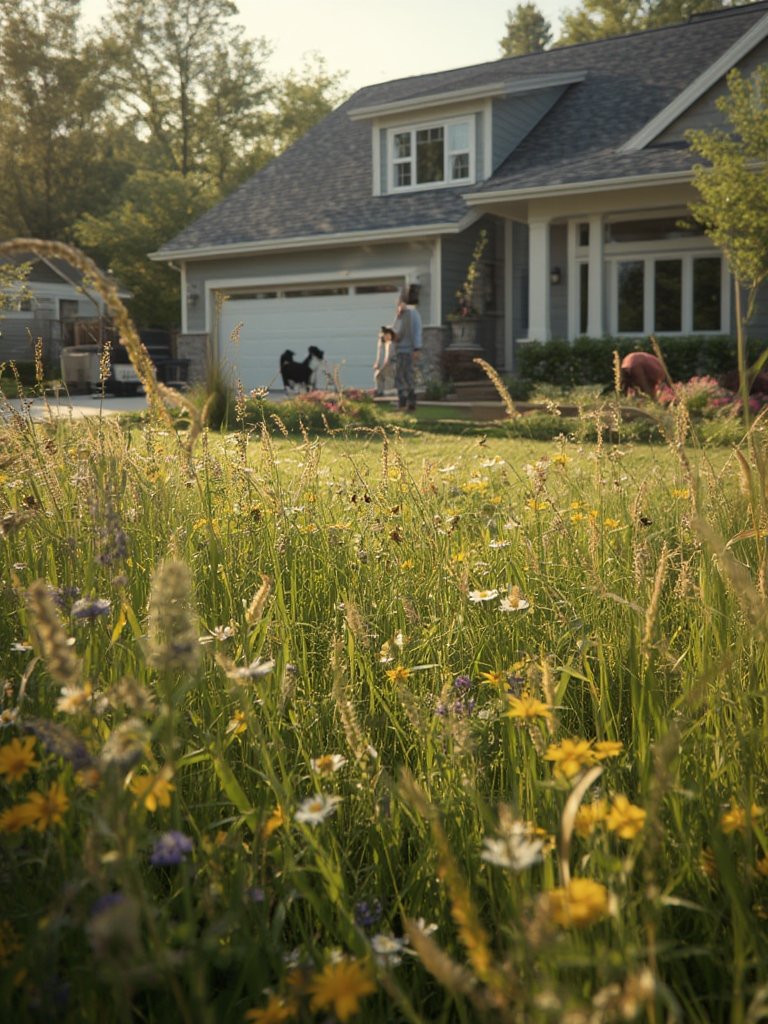
Making the switch to rewilding lawn alternatives isn’t as simple as tossing out your mower—it’s a process shaped by trial, patience, and local ecosystem quirks. But as a growing number of Americans embrace this approach, the rewards are hard to miss: massive water savings, a boost in wildlife, and a yard that evolves naturally throughout the seasons.
Ready to try rewilding lawn alternatives for yourself? Don’t wait for “perfect”—start with a single border, learn as you go, and watch your patch of nature thrive. Share your results, get advice, and spark the rewilding movement in your neighborhood.
Frequently Asked Questions
Does rewilding a lawn attract pests or unwanted animals?
You may see more wildlife such as birds and pollinators. Occasionally, deer or smaller mammals might visit, but real pest problems are uncommon. Proper plant choices and thoughtful placement can limit unwanted guests.
Will a rewilded lawn violate HOA or city rules?
No direct evidence shows widespread issues, but always check your HOA covenants or city codes before starting—especially for front yard conversions. Some areas require lawns to be below a certain height or maintained a specific way.
How long before a rewilded lawn looks established?
Most native plant lawns take 2-3 years to fill in and hit their stride. The first year can look patchy—that’s normal as roots develop and plants compete. By year two, most gardens start to shine.
Are rewilded lawns difficult to maintain?
The first year requires regular weeding and watering. After that, most rewilded lawns need little more than an annual mow or cutback and spot weeding—much less than turfgrass.
Where can I find plants for my region?
Look for local native plant nurseries, garden clubs, or extension services. The regional native plant list for pollinators is a helpful starting point online.