

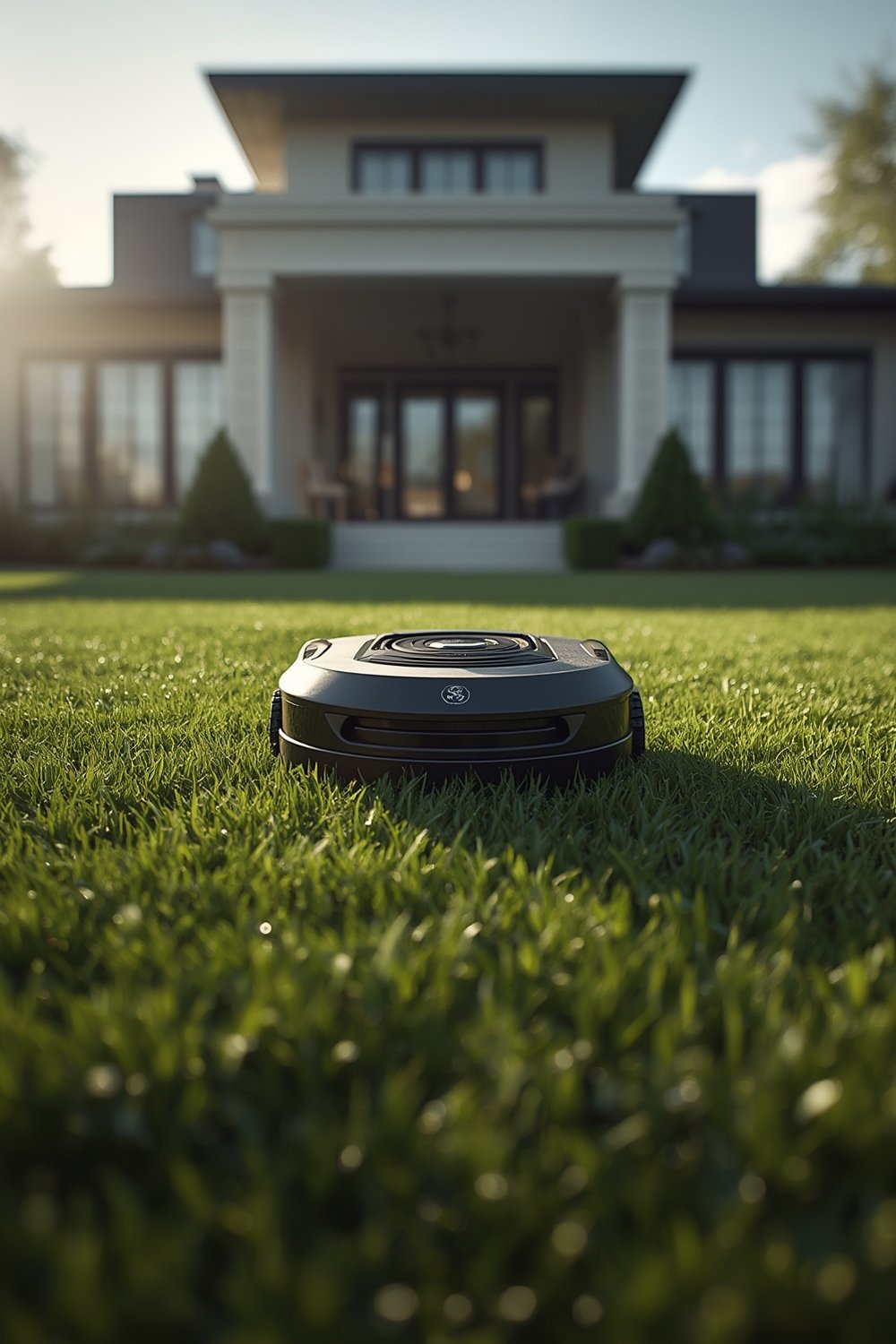
Robotic lawn mowers are transforming how homeowners approach yard maintenance, offering hands-free mowing fueled by smart technology and automation. If you’re weighing an upgrade or looking for the inside scoop on the real-world pros and cons of these devices, this guide covers everything you need to know—without sugarcoating the downsides.
Key Takeaways
- Robotic lawn mowers continue double-digit growth globally, driven by automation, AI-guided navigation, and the shift to smarter homes.
- While wire-free, app-connected mowers are increasingly advanced, real-world user complaints reveal persistent navigation, installation, and reliability challenges.
- Total cost of ownership—upfront and long-term—is higher than traditional mowers, but recoups in time saved and consistent results for many homeowners.
- The Core Concept: What Are Robotic Lawn Mowers and Why Are They Growing?
- Step-by-Step Guide: Choosing and Using a Robotic Lawn Mower
- Advanced Analysis & Common Pitfalls
- Conclusion
- FAQ
The Core Concept: What Are Robotic Lawn Mowers and Why Are They Growing?
Robotic lawn mowers are self-driving, rechargeable battery-powered devices designed to automatically cut your grass with minimal human intervention. Much like a smart vacuum, they use advanced sensors, boundary definition (wire, GPS, vision), and scheduling to maintain your yard—often controlled by an app or connected to smart-home platforms.
After initial setup, these mowers routinely cut your lawn, mulching clippings for a healthier yard and creating a hands-off approach to routine yardwork. Key drivers in their surging popularity include:
- Labor shortages and high yard service costs—especially in North America and Europe.
- Desire for convenience, greener operation (no gas or oil), and smart-home integration.
- Rapid improvements in navigation tech (AI, RTK-GPS, vision systems), making installation and daily use far easier than just a few years ago.
2024 is an inflection point. Global market size estimates vary, but all data points to strong double-digit growth—on track from $8.47 billion in 2024 toward $21.97 billion worldwide by 2033, by some estimates (Grand View Research). The U.S. remains the largest single market by revenue, driven by big lawns and early smart tech adoption.
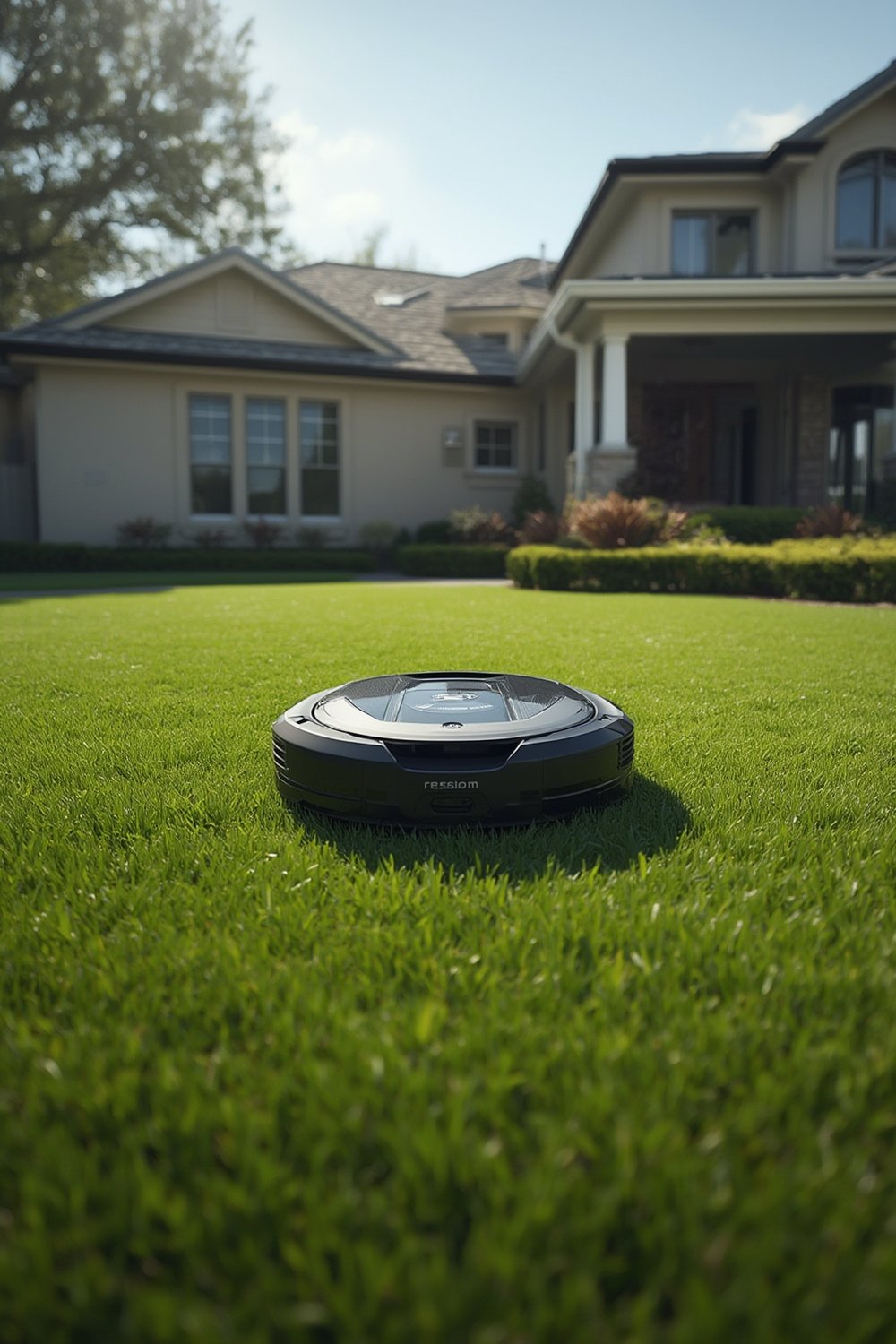
But not everything is carefree. Many owners under-estimate installation and maintenance, especially with wire-based systems or on complicated yards. Understanding these up front prevents disappointment later.
Step-by-Step Guide: Choosing and Using a Robotic Lawn Mower
- Assess your yard: Measure square footage, check for slopes, tight corridors, garden beds, and known obstacles. Use Google Maps or a long tape—accuracy matters for model selection.
- Decide on navigation tech: If your yard is simple and budget is key, wire-based models work. For complex, changing, or multi-zone lawns, strongly consider GPS/RTK or vision-based, wire-free models for faster install and easier edits.
- Compare models and features: Use credible comparison data—not just Amazon reviews. Focus on cutting width, battery run-time, app support, and especially the ease of updating exclusion zones or handling slopes.
- Prepare for installation:
- For boundary wire models: Plan 3–7 hours for a clean install; budget slop time if you have trees, beds, or multiple sections.
- Wire-free: Check cellular and Wi-Fi signal, ensure base and any reference stations have good sky view, and be ready to “walk” the boundary with the mower or controller.
- Set up the mower: Download the app, follow pairing steps, and map out multi-zone areas if supported. Double-check the schedule to avoid operation when kids or pets are out. Run the first full mow under supervision to watch for problem spots.
- Regular maintenance: change or flip blades every 4–8 weeks (more often if you have sticks or sandy soil), clean off debris weekly, and occasionally check the wheels and undercarriage for grass build-up. Schedule a battery replacement check-up after 2–3 seasons.
- Monitor and tweak: Use the app to fine-tune “no-go” zones as landscape changes and review coverage maps to catch any missed areas before they become an eyesore.
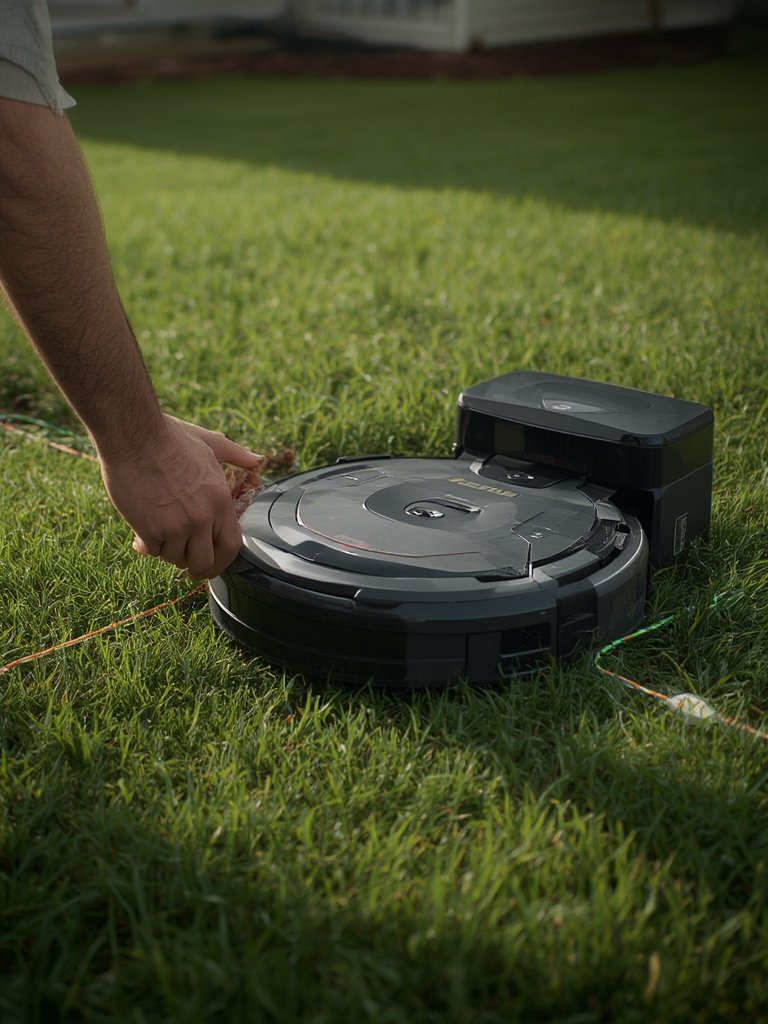
Want next-level efficiency? Integrate your robotic mower into your smart home automation system, so mowing automatically pauses when weather or other outdoor systems are running.
If you’re tackling a tricky yard layout, it’s worth consulting with landscaping professionals for custom install and topsoil prep tips that can prevent headaches later.
Advanced Analysis & Common Pitfalls
Robotic lawn mowers are getting smarter and more reliable, but actual user reviews and expert testing show critical pitfalls you need to know in 2025:
- Coverage gaps are still common: Most models (even premium ones) struggle with narrow corridors, steep slopes, or thick ground cover. Edges and corners may still require manual trimming.
- Boundary wire breaks and false alarms: Wire installs can be time-consuming, and wires are easily damaged by garden work or pets. Locating a break means time lost; some owners get frustrated enough to redo the entire installation—or switch to wire-free models down the road.
- Connectivity glitches: Cloud service, firmware updates, and app integration can cause random mower stoppages. Poor Wi-Fi or Bluetooth performance is a recurring complaint, sometimes requiring tech support or even factory resets.
- Frequent maintenance costs: Sharp blades make a difference. Plan for blade changes every 4–8 weeks on average. Budget for battery replacement every 3–5 years. Consider annual dealer servicing, as some software updates and diagnostics are only available through authorized channels.
- App subscriptions and surprise fees: A growing number of brands put theft tracking, advanced GPS, or cellular alerts behind paywalls. While core app control is usually free, read fine print on model pages to avoid surprise fees after your first year.
| Model | Typical Price (USD) | Wire-Free? | Cutting Width (in/cm) | Common Real-World Issues |
|---|---|---|---|---|
| Husqvarna Automower 450X NERA (EPOS) | 3,000–3,800 | Yes (EPOS/GPS) | 9.4 / 24 | Occasional GPS drift, high install cost, advanced app features require add-ons |
| Worx Landroid Vision | 1,600–2,400 | Yes (Vision AI) | 7–8.7 / 18–22 | Edge detection sometimes inconsistent in deep shade, firmware glitches post-updates |
| Segway Navimow | 1,800–3,000 | Yes (RTK-GPS) | 8.7–10.6 / 22–27 | Needs clear sky for GPS accuracy, occasional app connectivity issues |
| Greenworks Optimow Vision | 1,200–2,000 | Yes (AI Camera) | 8.7–9.8 / 22–25 | Camera struggles with tall/weedy grass, app lacks some pro features |
| EcoFlow Blade | 2,500–3,200 | Yes (LiDAR/RTK) | 10.2 / 26 | Premium price, firmware updates sometimes buggy, occasional wheel slippage on steep grades |
Looking for specifics on safety? Nearly all premium mowers offer emergency stop buttons, lift/tilt blade stop sensors, and comply with internationally-recognized certifications such as IEC 60335-2-107 (source). Always check for UL/ETL or CE marks for your market and confirm up-to-date FCC compliance for connectivity features.
Real-world cost can be higher than expected. The all-in first-year investment (robot + install + accessories) for a high-end wire-free model typically hits $2,500–$5,000, with recurring costs (blades, app, service) averaging $100–$400 per year. View this as a long-term convenience investment—and compare with ongoing landscaping fees to gauge real-life savings.
Our home repair and appliance services guide has detailed tips for scheduling regular maintenance, which keeps robotic mowers (and other home tech) running their best.
For broader perspective on smart device integration, see our complete guide to smart home upgrades.
Conclusion
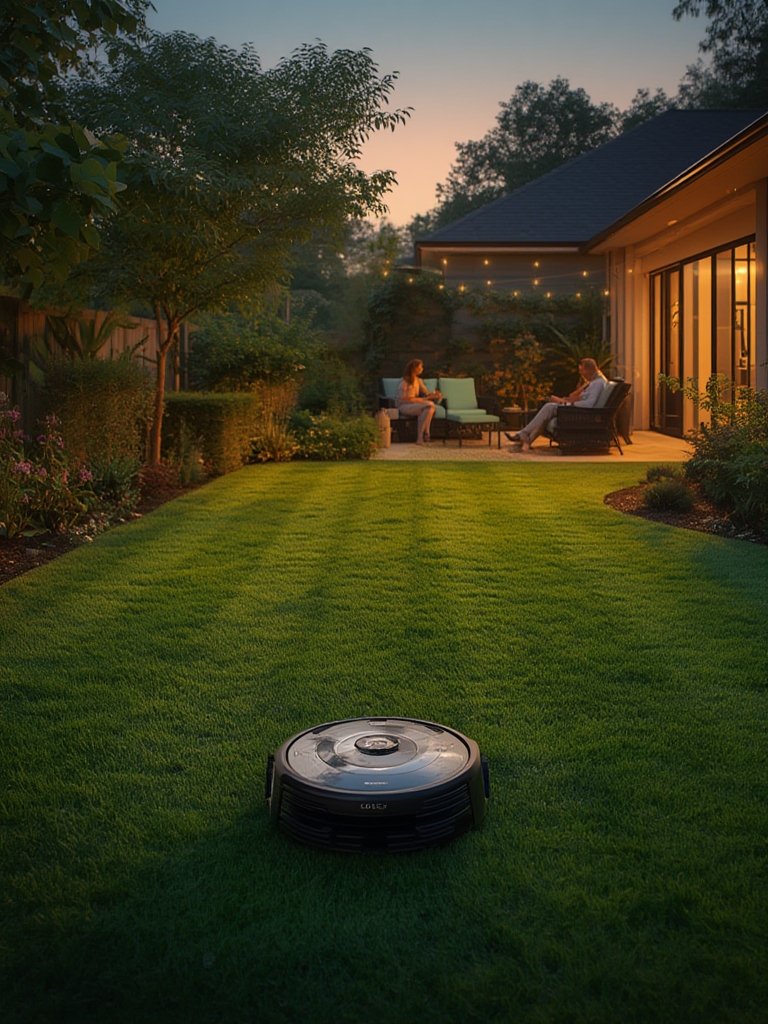
Robotic lawn mowers combine smart-home tech, convenience, and sustainable mowing for a growing number of North American, European, and global homeowners. While they demand a higher upfront investment—and have their share of usability quirks—they are reshaping what’s possible for hands-off lawn care. Before leaping in, weigh the true cost and make sure your yard and expectations align with what these machines deliver. With steady improvements every year, robotic lawn mowers are here to stay. Want expert tips or help planning your upgrade? Contact us for personalized advice (or browse our related smart home and landscaping guides below).
FAQ
Are robotic lawn mowers safe to use around children and pets?
Modern robotic mowers include lift/tilt sensors, low-mass blades, and safety lockouts to reduce risk. Still, it’s best to schedule mowing when kids and pets are indoors, and always check your model’s certification for safety standards.
How much maintenance does a robotic mower require?
Expect to change or flip blades every 4–8 weeks, clean grass buildup weekly, and replace the battery after 3–5 seasons. Annual service is optional but helps keep firmware and moving parts in top shape.
Do I need to install a boundary wire?
Many popular models still use boundary wire, but advanced wire-free options (using GPS/RTK or vision) are now widely available. Wire-free models make installation faster, especially for complex yards or frequent landscape changes.
What’s the real yearly cost to own a robotic mower?
Upfront cost for high-end wire-free models is $2,500–$5,000; annual operating costs (blades, service, app, power) are $100–$400. Compare this to what you’d pay for gas mowers or weekly pro lawn service to decide if the trade-off makes sense for your needs.
Can robotic mowers handle rain or wet grass?
Most premium mowers have rain sensors and waterproofing, automatically returning to base during heavy rain. For best performance, avoid mowing in very wet or muddy conditions—clumping and traction issues are common complaints.

Alright, 9pgame! Heard some whispers about this one. Gonna check it out and see if it lives up to the hype. Hope it’s got some good action! 9pgame
Try it and give us your feedback
[…] urban properties, a traditional or robotic mower may be sufficient. Unsure? Check out our guide on robotic lawn mowers if you think automation might be a better […]
[…] noise is a concern—or you just want ultimate convenience—consider a fully autonomous yard: our robot mower guide has more […]